

A biblical analysis of political rhetoric, misinformation, and violence—why truth, evidence, and grace must shape how Christians speak in a divided culture.

EPA Administrator Lee Zeldin and Sen. Sheldon Whitehouse clash over budget priorities, fossil fuel policy, and ethics during a heated Senate hearing.

NYC faces major budget gap under Mamdani, with debates over taxes, state funding, and business impact shaping the city’s economic outlook.

The FCC launches an early review of Disney’s ABC broadcast licenses amid scrutiny over DEI practices and controversy involving Jimmy Kimmel.
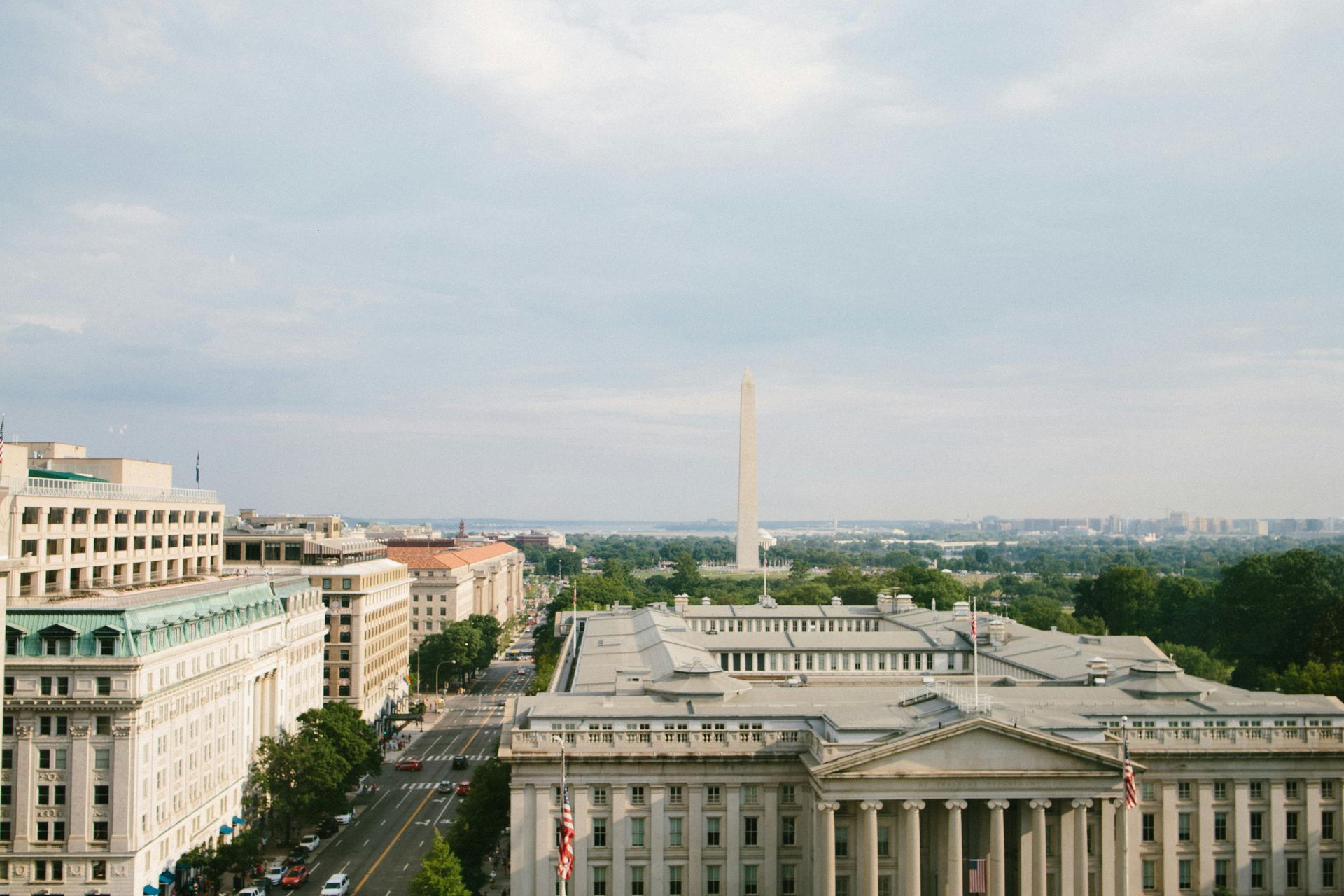
An assassination attempt targeting Donald Trump at a Washington, D.C. hotel is under investigation. Trump addressed the incident shortly after it occurred.

Nine injured in a mass shooting during Indiana University’s Little 500 weekend in Bloomington. Police continue searching for suspects.
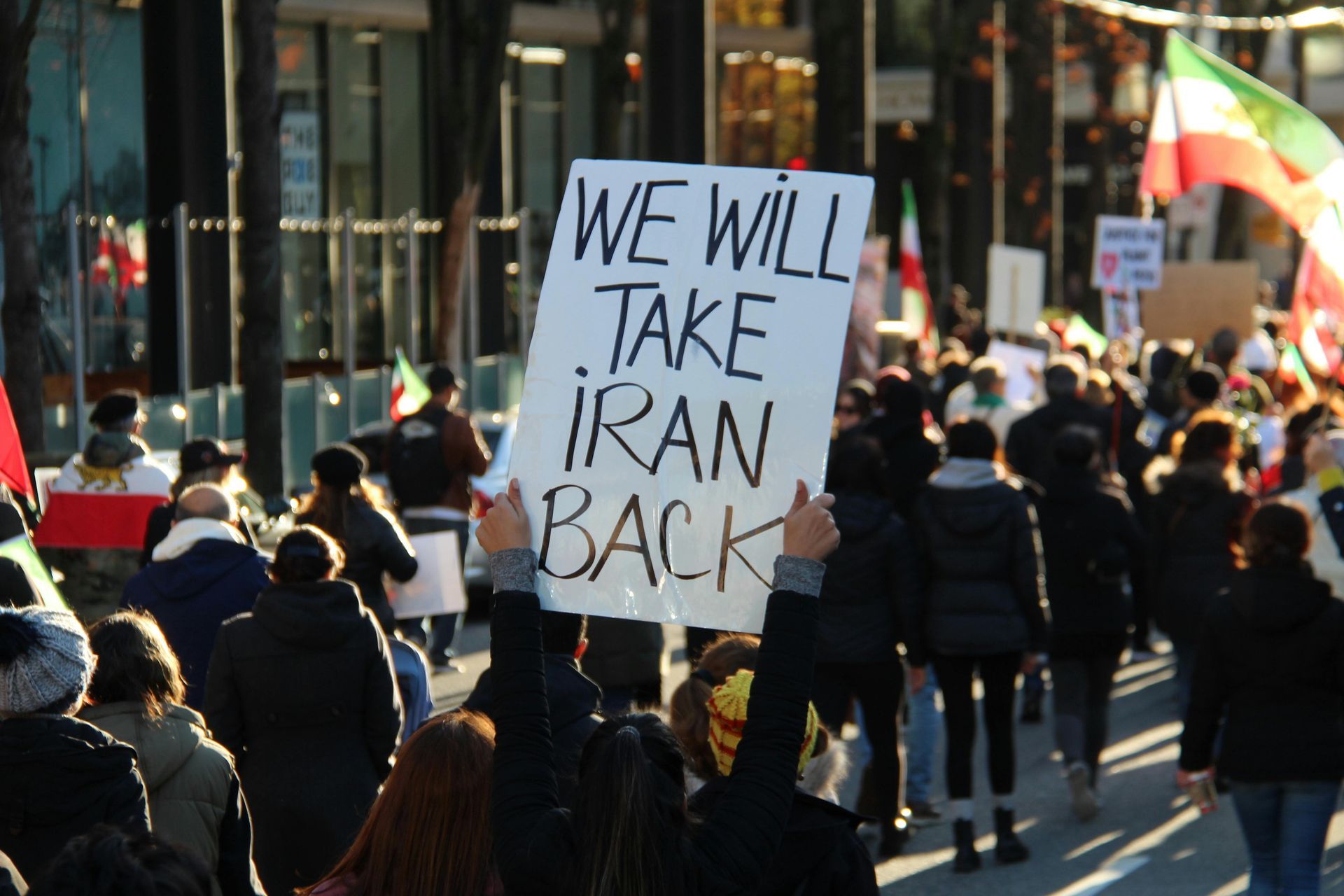
Protests across Iran intensify in April 2026 as citizens demand an end to Ayatollah rule, citing political oppression, economic hardship, and lack of freedoms.
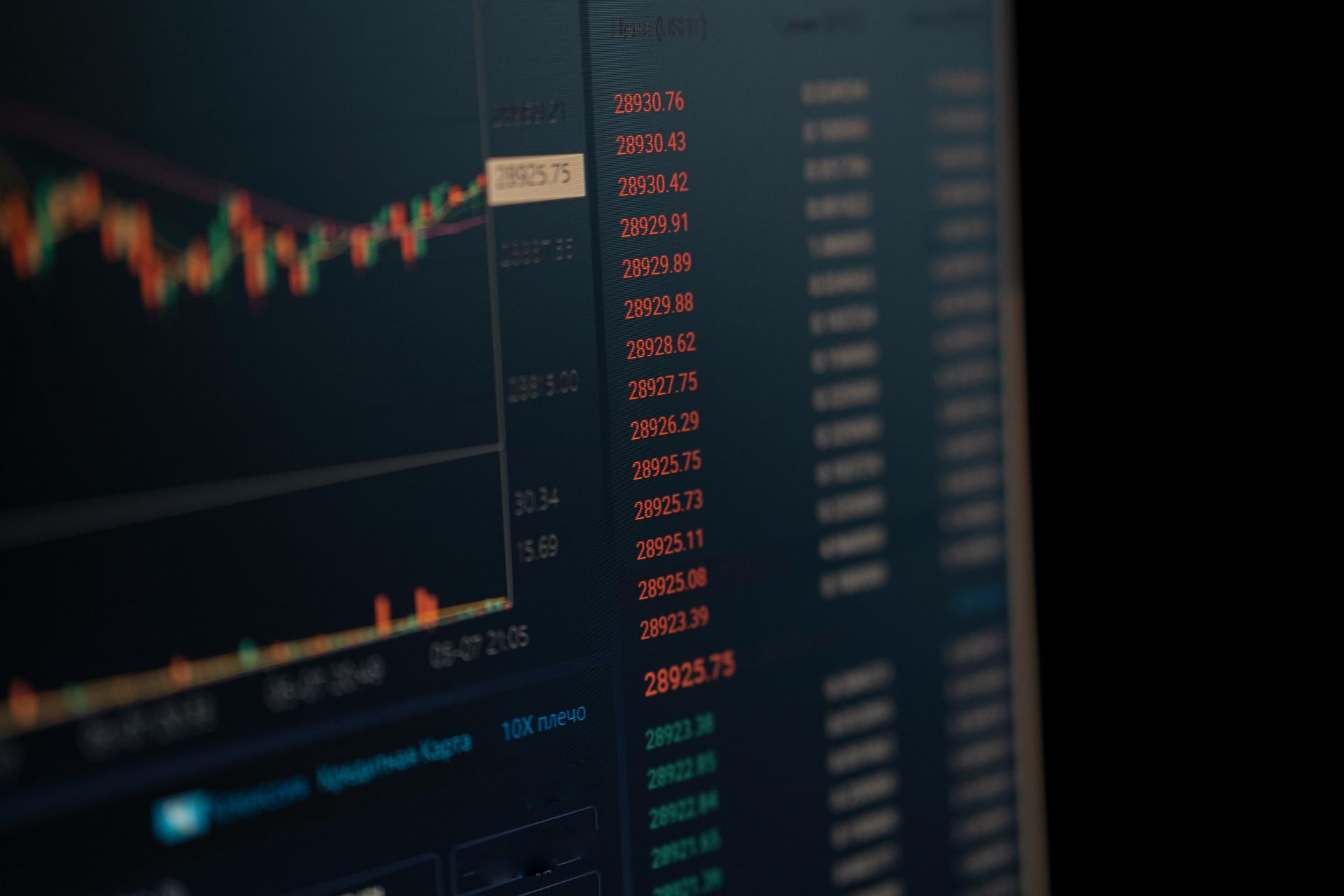
SEC Chair Paul Atkins proposes reforms to increase IPOs, reduce reporting burdens, and modernize regulations to encourage more U.S. companies to go public.
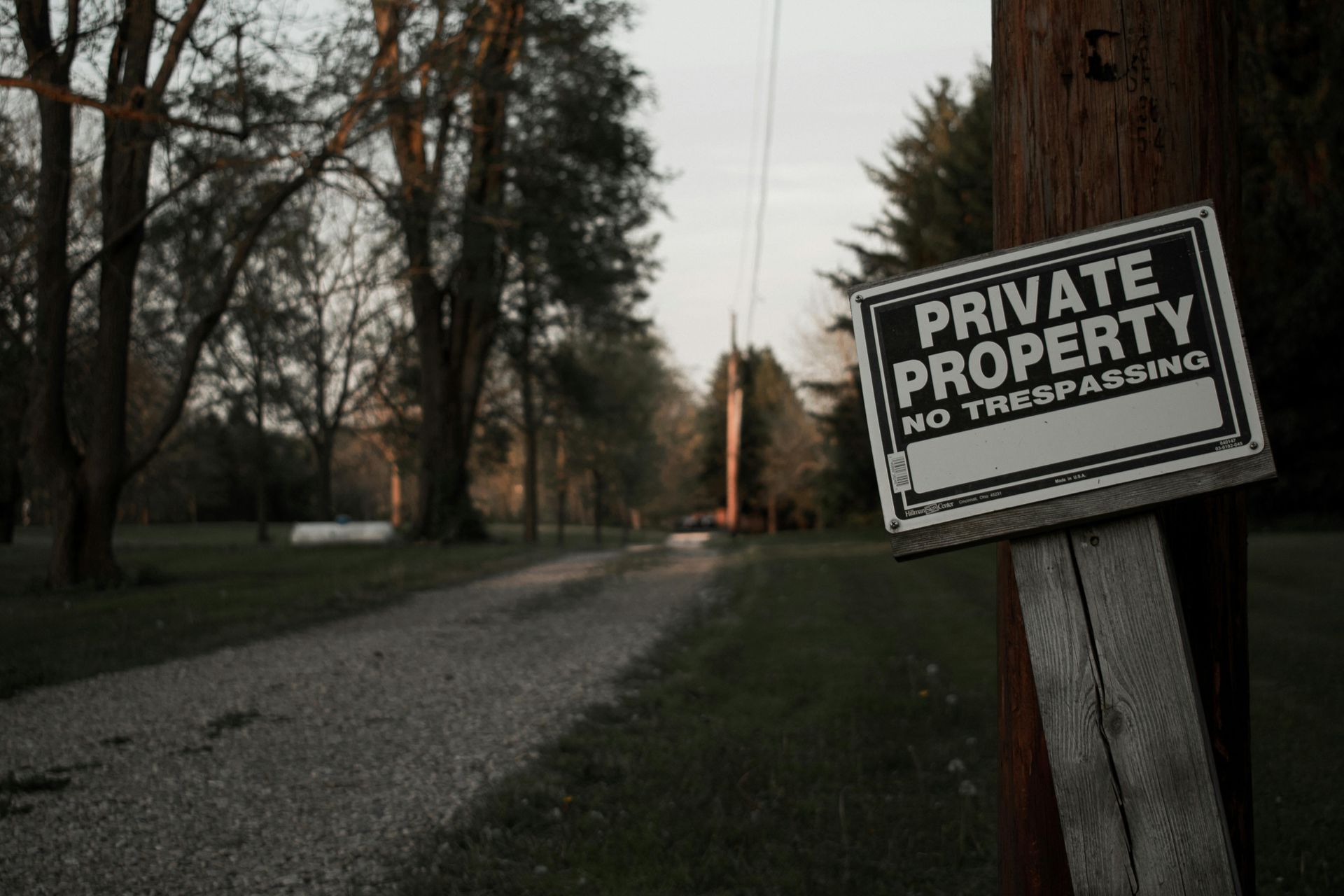
Tennessee lawmakers passed a bill allowing deadly force to protect property. The measure now awaits Governor Bill Lee’s signature.

Can war ever be just? This article examines Old and New Testament teaching on evil, authority, and when the use of force may be morally justified.